ERENDERS — Architectural Visualization Studio Logo
Community

Insights & Thoughts

Discover the latest architectural trends, design philosophies, and rendering techniques curated by the ERENDERS studio.

community

Revolutionizing Sports: The Art of Stylistic Stadium Design

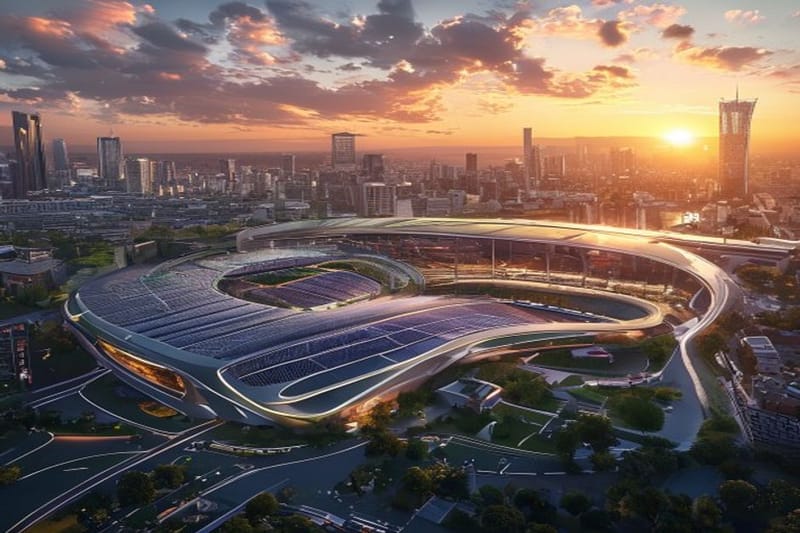
The United States is home to some of the world's most iconic sports stadiums, each with its unique character and design. From the retro-style Wrigley Field in Chicago to the modern AT&T Stadium in Texas, these venues have become an integral part of the country's sports landscape. Stylistic stadium design has become an essential aspect of the overall sports experience, providing an immersive environment for fans and players alike. In recent years, there has been a shift towards creating more sustainable and energy-efficient stadiums, incorporating green technologies and environmentally friendly materials into their design. This not only reduces the stadium's carbon footprint but also enhances the overall fan experience. One notable example is the Mercedes-Benz Stadium in Atlanta, which features a retractable roof and a unique façade system that provides natural light and ventilation. The stadium's design has been praised for its innovative use of materials and its commitment to sustainability. As the demand for more sustainable and technologically advanced stadiums continues to grow, architects and designers are pushing the boundaries of what is possible. The use of advanced materials and technologies, such as solar panels and green roofs, is becoming increasingly common in stadium design. These innovative designs not only reduce the stadium's environmental impact but also provide a unique and exciting experience for fans. In addition to sustainability, stylistic stadium design is also focused on creating an immersive and engaging environment for fans. This can include the use of interactive technologies, such as video screens and mobile apps, to enhance the fan experience. The use of social media and other digital platforms has also become an essential aspect of stadium design, providing fans with a way to connect with each other and share their experience. As the sports landscape continues to evolve, it will be interesting to see how stylistic stadium design adapts to changing fan expectations and technological advancements. The future of stadium design is likely to be shaped by a combination of factors, including sustainability, technology, and fan experience. One thing is certain, however: the stadiums of the future will be designed to provide an unparalleled experience for fans, while also minimizing their impact on the environment. The importance of stylistic stadium design cannot be overstated, as it has the power to transform the sports experience and create a lasting impression on fans. By incorporating innovative and sustainable design elements, stadiums can become more than just venues for sports events – they can become destinations in their own right. As architects and designers continue to push the boundaries of what is possible, we can expect to see even more exciting and innovative stadium designs in the future. The impact of stylistic stadium design on the sports industry will be significant, as it has the potential to increase fan engagement, improve the overall sports experience, and reduce the environmental impact of stadiums. In conclusion, stylistic stadium design is a critical aspect of the sports industry, providing an immersive and engaging environment for fans while minimizing the stadium's environmental impact. As the demand for more sustainable and technologically advanced stadiums continues to grow, it will be exciting to see how architects and designers respond to this challenge. The future of stadium design is bright, and it will be interesting to see what innovations and advancements the future holds. Stylistic stadium design is an ever-evolving field, and its impact on the sports industry will only continue to grow. By incorporating innovative and sustainable design elements, stadiums can become truly unique and memorable destinations. The use of advanced materials and technologies will play a significant role in shaping the future of stadium design. As the sports landscape continues to evolve, one thing is certain – the stadiums of the future will be designed to provide an unparalleled experience for fans.
Share Post:
Article image
community

Embracing Sustainability: The Rise of Natural Building Materials in Modern Architecture

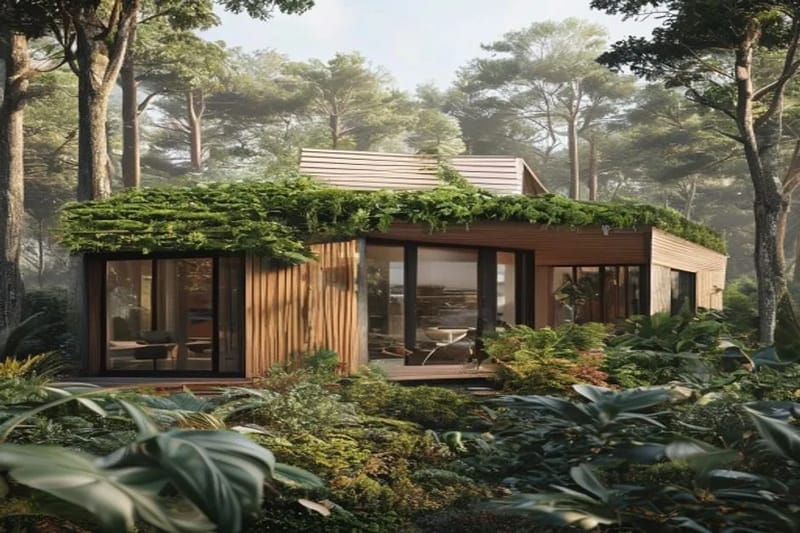
The world of architecture is undergoing a significant transformation, with a focus on sustainability and environmental responsibility. In recent years, there has been a resurgence of interest in natural building materials, driven by their unique aesthetic appeal and eco-friendly properties. From reclaimed wood to low-carbon concrete, architects and builders are now opting for materials that not only reduce the carbon footprint but also create healthier indoor spaces. Natural building materials offer a wide range of benefits, including improved air quality, enhanced thermal insulation, and a reduced risk of moisture-related problems. Moreover, these materials can be sourced locally, reducing transportation emissions and supporting local economies. One of the most popular natural building materials is bamboo, known for its exceptional strength, durability, and sustainability. Bamboo is highly renewable, with some species growing up to three feet per day, making it an ideal choice for building applications. Another natural material gaining popularity is hemp, which can be used to create insulation, roofing, and even walls. Hemp is highly resistant to mold, mildew, and pests, ensuring a healthier indoor environment. In addition to these materials, architects are also exploring the use of natural stone, such as limestone and granite, for their unique textures and thermal properties. These materials not only add visual interest to a building but also provide excellent thermal mass, reducing the need for mechanical heating and cooling systems. The use of natural building materials is not limited to residential projects; it is also being adopted in commercial and industrial applications. For instance, the use of cross-laminated timber (CLT) is becoming increasingly popular in high-rise construction, offering a sustainable alternative to traditional steel and concrete. CLT is made from layers of wood pressed together, creating a strong and stable material that can support heavy loads. Furthermore, natural building materials can be used in combination with modern technologies, such as solar panels and green roofs, to create truly sustainable buildings. As the world continues to urbanize, the demand for sustainable and eco-friendly building practices will only continue to grow. In response, architects, builders, and manufacturers must work together to develop innovative solutions that balance aesthetic, functional, and environmental considerations. By embracing natural building materials, we can create buildings that not only minimize their impact on the environment but also promote occupant health and wellbeing. This shift towards sustainability is not just a trend; it is a necessary step towards creating a more resilient and regenerative built environment. As we move forward, it will be exciting to see how natural building materials continue to evolve and influence the world of architecture. With their unique blend of traditional craftsmanship and modern innovation, these materials are poised to play a major role in shaping the future of our built environment. In conclusion, the rise of natural building materials is a positive development that has the potential to transform the way we design, build, and interact with our surroundings. By choosing natural materials, we can create buildings that are not only beautiful and functional but also sustainable and environmentally responsible. This approach to building design and construction has far-reaching implications, from reducing carbon emissions to promoting biodiversity. As we strive to create a more sustainable future, the use of natural building materials will undoubtedly become an essential aspect of our efforts. The benefits of natural building materials are clear, and their adoption is expected to continue growing in the coming years. With ongoing research and development, we can expect to see even more innovative applications of these materials in the field of architecture. Ultimately, the future of building design and construction will be shaped by our ability to balance human needs with environmental considerations. By embracing natural building materials, we can create a better future for ourselves and for generations to come. The time to act is now, and the use of natural building materials is an important step in the right direction. As the demand for sustainable buildings continues to grow, the use of natural materials will become increasingly important. In the years to come, we can expect to see a significant increase in the use of natural building materials in architecture.

Share Post:
Article image
community

Designing the Future: The Evolution of Presidential Library Design

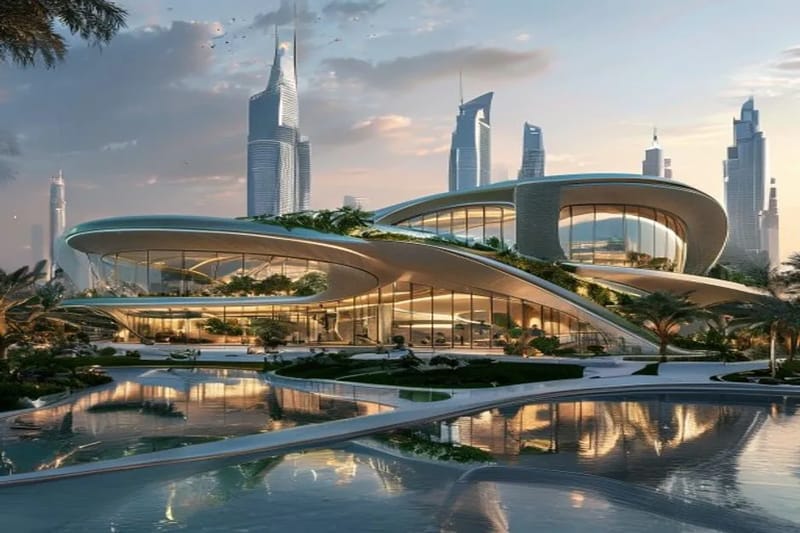
The concept of presidential libraries has undergone a significant transformation over the years, from mere repositories of historical documents to vibrant public spaces that embody the legacy of their namesakes. In recent times, these institutions have become synonymous with innovative design and architectural excellence, reflecting the personalities and policies of the presidents they honor. Dubai, with its affinity for grandiose structures and futuristic architecture, presents a unique canvas for such projects. The city's architectural landscape is a testament to human ingenuity and the relentless pursuit of innovation. Presidential libraries, in this context, offer a fascinating intersection of history, culture, and design. They are not just physical structures but gateways to the past, offering insights into the lives and times of the leaders they commemorate. The design of these libraries is a careful balance of form and function, blending aesthetic appeal with the practical requirements of housing vast archives and hosting public engagements. Sustainability and technology integration are also key considerations in modern presidential library design, reflecting the forward-thinking approach of the city. Incorporating green building principles and cutting-edge technology enhances the visitor experience while minimizing the environmental footprint. The use of natural light, solar panels, and efficient water systems are just a few examples of how these libraries can become models of sustainability. Moreover, the inclusion of interactive exhibits, virtual reality experiences, and digital archives ensures that these spaces remain relevant and engaging for a diverse audience. For a city like Dubai, which is continually pushing the boundaries of what is possible in architecture, the challenge of designing a presidential library would be an exciting opportunity. It would allow architects to explore new themes, materials, and technologies, potentially setting new standards in library design. The blend of traditional and modern elements, reflective of Dubai's own architectural narrative, could result in a truly unique facility. This would not only serve as a tribute to the president it honors but also as a symbol of Dubai's commitment to innovation and cultural preservation. As the world looks towards more sustainable and technologically advanced solutions, the design of presidential libraries will play a significant role in shaping the future of public and cultural buildings. In Dubai, such a project would find a receptive audience, eager to experience the fusion of history, technology, and design. The city's cosmopolitan nature ensures that any such institution would be met with international interest, further enhancing Dubai's reputation as a hub for architectural and cultural innovation. The process of designing a presidential library in Dubai would require a deep understanding of the city's cultural, historical, and environmental context. It would demand creativity, foresight, and a passion for pushing the boundaries of what is possible. For architects and designers, this presents an unparalleled opportunity to leave a lasting legacy. A legacy that combines the essence of the past with the visions of the future, set against the backdrop of one of the world's most dynamic cities. The future of presidential library design is not just about buildings; it's about creating vibrant, inclusive spaces that inspire, educate, and connect people across generations. In Dubai, this future could be brighter and more breathtaking than anywhere else. With its unique blend of traditional values and futuristic ambition, the city is poised to redefine the concept of presidential libraries. As we look to the future, one thing is clear: the next generation of presidential libraries will be designed with innovation, sustainability, and community engagement at their core. And for a city that never stops pushing the boundaries of what is possible, the sky is literally the limit. The challenge is not just to build a structure, but to craft an experience that resonates with people from all walks of life. It's about honoring the past while embracing the future, a delicate balance that requires vision, creativity, and a profound understanding of human connection. Ultimately, the design of a presidential library in Dubai would be a celebration of human achievement, a testament to the power of architecture to inspire and unite us.

Share Post:
Article image
community

Furniture Design Inspired by Nature: The Unconventional Use of Fossils and Bones

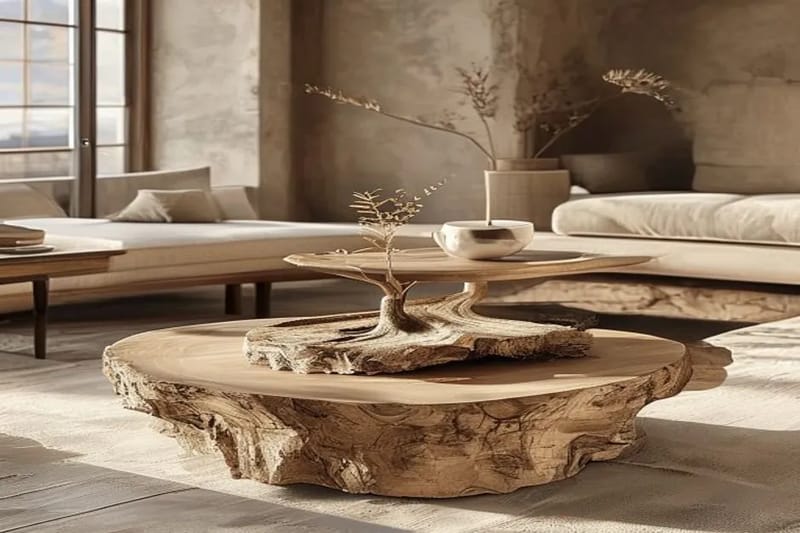
Nature has long been a source of inspiration for designers, with its intricate patterns, textures, and forms influencing various aspects of design. A new trend is emerging, however, one that takes this inspiration to the next level: the use of fossils and bones in furniture design. Faye Toogood's latest collection is a prime example of this unconventional approach, featuring pieces that incorporate unearthed fossils and mudlarked bones. This unique blend of natural history and design creates truly one-of-a-kind furniture pieces. The use of fossils and bones adds an organic, earthy feel to the designs, while also highlighting the importance of sustainability. As consumers become more environmentally conscious, the demand for eco-friendly and nature-inspired design is on the rise. Designers are now looking to the natural world for inspiration, incorporating elements like reclaimed wood, recycled materials, and even fossilized remains into their work. The result is a new wave of furniture design that's not only visually striking but also thought-provoking. By embracing the beauty of nature, designers can create pieces that are both functional and aesthetically pleasing. The future of furniture design is looking more organic than ever, and it's exciting to see where this trend will take us.

Share Post:
Article image
community

American Design Brands: Shaping the Future of Interior Design

The world of interior design is becoming increasingly global, with design brands from around the world making significant contributions to the industry. In the US, there are numerous design brands that are pushing the boundaries of innovation and creativity, introducing new and exciting products to the market. From furniture and lighting to textiles and decor, these brands are helping to shape the future of interior design. With a focus on quality, sustainability, and style, American design brands are making a lasting impact on the industry. Their products are not only aesthetically pleasing but also functional and durable, making them a popular choice among homeowners and designers. As the demand for unique and high-quality design products continues to grow, American design brands are well-positioned to meet this need. By supporting local design brands, consumers can contribute to the growth and development of the US design industry. Moreover, these brands often draw inspiration from American culture and history, resulting in products that are distinctly American in style and character. From coast to coast, the US is home to a diverse range of design brands, each with its own unique perspective and aesthetic. By exploring the world of American design brands, homeowners and designers can discover new and exciting products that reflect the best of American style and innovation.

Share Post:
Article image
Article image
community

Stairway to Heaven: How to Create a Stunning Luxury Staircase

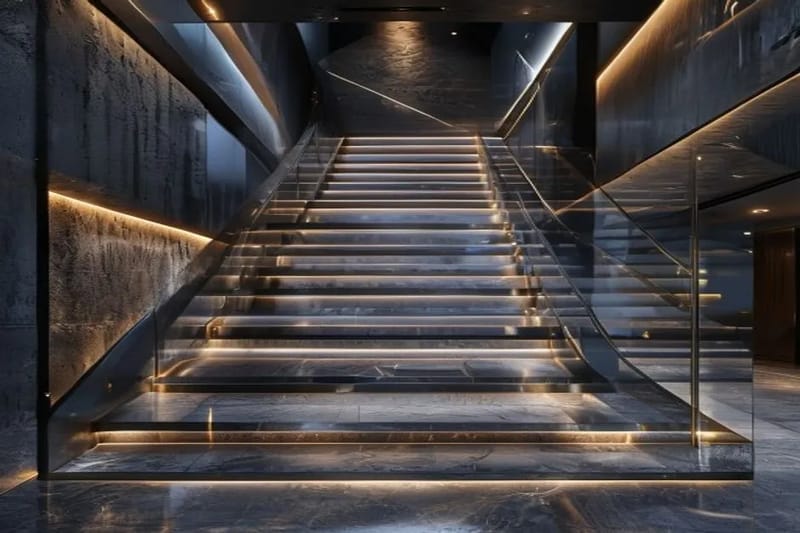
A staircase is often the centerpiece of a luxury home, and its design can greatly impact the overall aesthetic and ambiance of the space. From modern and sleek to traditional and ornate, there are countless options for luxury staircase designs. In the UK, homeowners are looking for unique and creative ways to make their staircases stand out. One trend that is gaining popularity is the use of glass and metal in staircase design. This combination creates a sleek and modern look that is perfect for luxury homes. Additionally, the incorporation of LED lighting can further enhance the ambiance and create a truly breathtaking effect. When designing a luxury staircase, it is essential to consider the overall style and theme of the home. From the type of flooring to the color scheme, every detail must be carefully thought out to create a cohesive and stunning design. By working with experienced architects and designers, homeowners can create a luxury staircase that is not only functional but also a work of art. Ultimately, a well-designed staircase can elevate the entire look and feel of a luxury home, making it a true showstopper.

Share Post:
Article image
community

Inspiring Furniture Designs: How Fossils and Natural Elements Can Enhance Luxury Homes

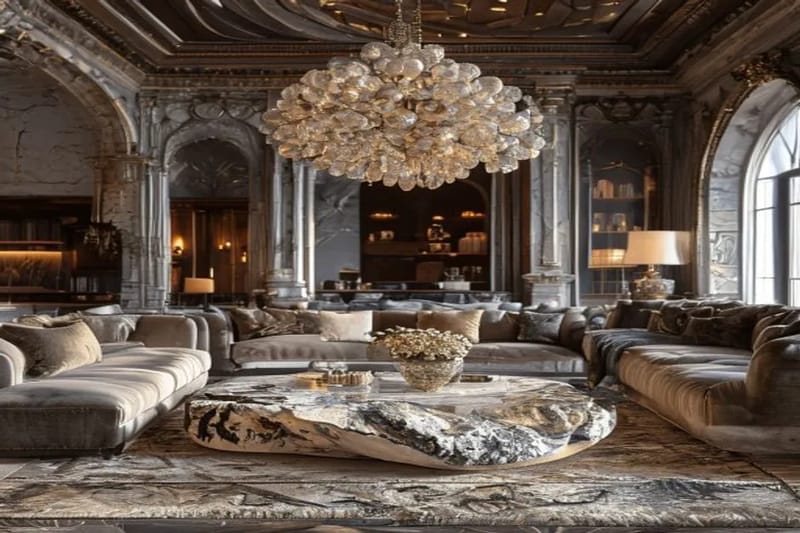
The world of luxury furniture design is constantly evolving, with designers drawing inspiration from various sources. Recently, Faye Toogood's collection, which was inspired by fossils and natural elements, caught our attention. This unique approach to design can add an extra layer of sophistication to luxury homes. By incorporating elements inspired by nature, homeowners can create a truly one-of-a-kind living space. The use of natural materials and fossil-inspired designs can bring a sense of warmth and character to a room. This trend is perfect for those who appreciate the beauty of the natural world and want to reflect that in their home decor. From fossil-embedded coffee tables to bone-inspired lighting fixtures, the possibilities are endless. Homeowners can choose from a wide range of designs to find the perfect piece that reflects their personal style. By investing in these unique furniture pieces, individuals can elevate their luxury home to the next level. Whether you're looking to make a statement or simply add a touch of elegance, nature-inspired furniture is definitely worth considering.

Share Post:
Article image